

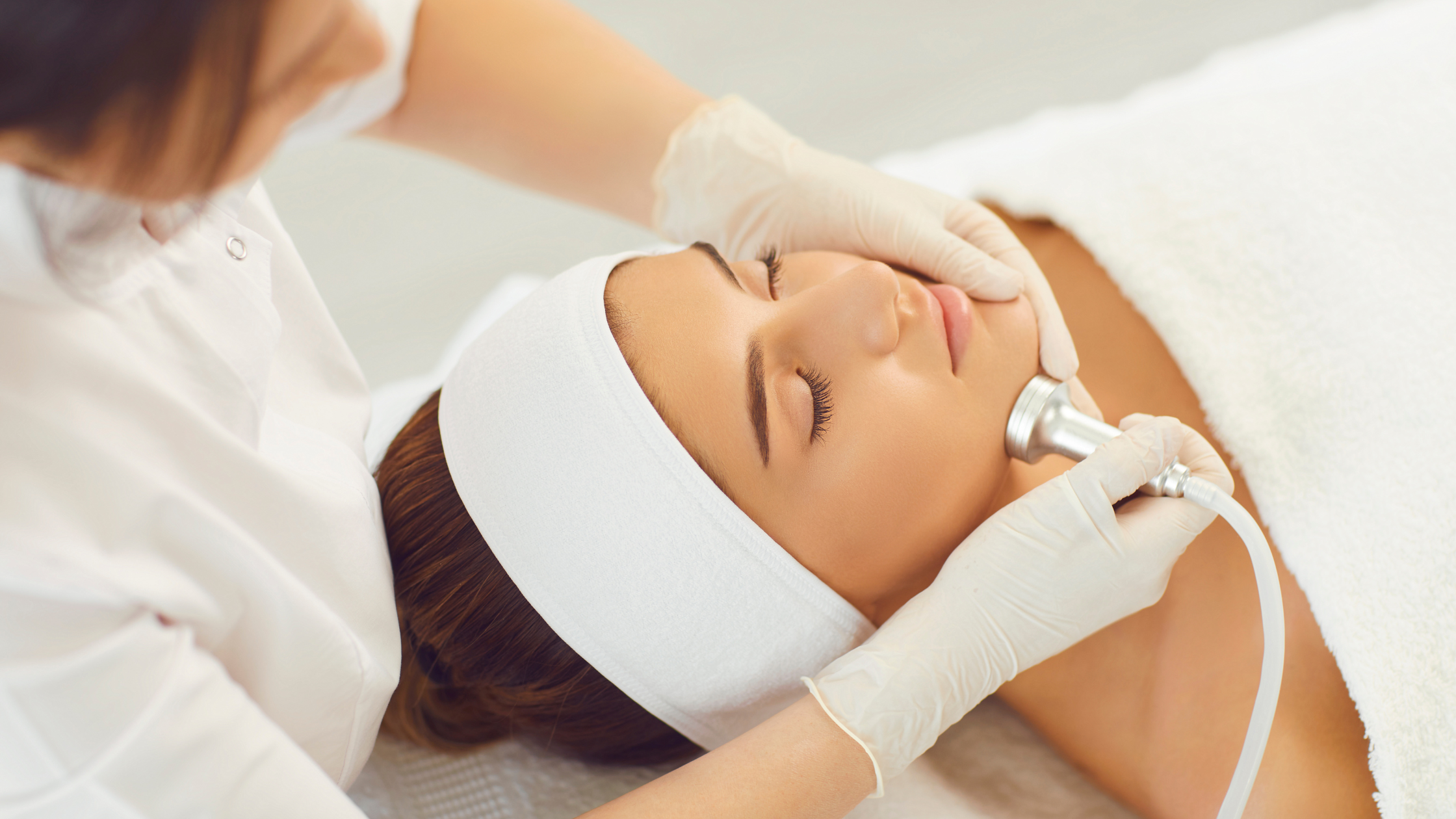
Azelaic acid is one of the most commonly used ingredients in dermatological acne treatment, particularly for individuals with sensitive skin or those who are also dealing with hyperpigmentation.
Unlike more aggressive active ingredients, its effects are gradual and target multiple processes within the skin. For this reason, it is often used as part of a long-term treatment plan, especially in adult women.
For a broader understanding of the causes and treatment of acne, see our article Adult Female Acne – Causes, Hormones, and Treatment..
What Is Azelaic Acid?
Azelaic acid is a naturally occurring dicarboxylic acid that is present in small amounts on healthy skin.
In dermatology, it is valued because it works simultaneously on bacteria, clogged pores, and inflammation, without the pronounced irritation potential associated with some other acids.
Because of this profile, it is often recommended for individuals who cannot tolerate retinoids or stronger exfoliating agents.
How Does Azelaic Acid Work for Acne?
The effects of azelaic acid involve several key mechanisms that contribute to acne development.
Antibacterial Activity
Azelaic acid helps reduce the growth of Cutibacterium acnes, a bacterium that plays an important role in the development of inflammatory acne lesions.
As a result, it can help reduce red, inflamed, and painful breakouts, particularly in individuals with significant inflammatory activity in the skin.
Regulation of Keratinization
One of the underlying causes of acne is the abnormal accumulation of skin cells within the pores, leading to blockage.
Azelaic acid helps normalize this process and reduce the formation of comedones, making it an important tool in preventing new breakouts.
Anti-Inflammatory Effects
In addition to its effects on bacteria, azelaic acid also helps reduce inflammation within the skin.
This benefit is especially valuable for individuals with sensitive skin prone to redness and irritation, as it allows for effective treatment without placing additional stress on the skin.
Effects on Post-Acne Marks
Azelaic acid influences melanocyte activity and may help reduce post-inflammatory hyperpigmentation.
For this reason, it is frequently used in individuals who experience not only acne but also the dark spots that often remain after blemishes have healed.

When Does It Make Sense to Use Azelaic Acid?
Azelaic acid has a wide range of applications and can be incorporated into the treatment of various forms of acne.
It is most commonly recommended for:
- Mild to moderate acne
- Sensitive skin
- Hormonal acne
- Post-acne hyperpigmentation
In these situations, its goal is not only to reduce acne lesions but also to help stabilize the skin and improve overall skin tone, which is particularly important in long-term treatment.
How to Incorporate Azelaic Acid Into a Skincare Routine
Introducing azelaic acid is generally easier than introducing stronger active ingredients, but it still requires proper placement within a skincare routine.
Morning or Evening Application
Azelaic acid can be used once or twice daily, depending on the specific product and the skin’s tolerance.
For sensitive skin, it is often recommended to start with once-daily application to minimize the risk of irritation.
Combining It With Other Ingredients
Azelaic acid can be combined with:
- Moisturizers
- Niacinamide
- Gentle active ingredients
In some cases, it is also used alongside retinoids, provided they are introduced gradually and the skin’s response is carefully monitored.
This approach allows different mechanisms of action to work together without overloading the skin.
How Quickly Can Results Be Seen?
Azelaic acid works gradually because it targets skin processes that require time to stabilize.
The first improvements are typically noticeable after 4 to 8 weeks of consistent use, while reducing post-inflammatory dark spots often requires a longer treatment period.
For this reason, consistency is more important than intensive application.
Common Mistakes When Using Azelaic Acid
Although azelaic acid is generally well tolerated, the way it is used can significantly affect treatment outcomes.
Expecting Immediate Results
The effects of azelaic acid develop gradually and are linked to the skin’s natural renewal processes, making patience and consistency essential.
Stopping Treatment Too Early
Discontinuing treatment as soon as improvement occurs may lead to the recurrence of acne.
Combining Too Many Active Ingredients
Overloading the skin with multiple active ingredients can disrupt its balance and reduce treatment tolerability.
Next Steps
For acne management, the best results are usually achieved through a combination of properly selected home care and a consistent skincare routine, rather than using a large number of products.
In practice, this means adopting a simple approach that:
- Reduces inflammation
- Does not overwhelm the skin
- Supports long-term stabilization
Such a routine provides the foundation upon which additional skincare steps can be introduced later if needed.
A Basic Acne Routine
In most cases, an acne routine does not need to be complicated.
It typically includes:
- Gentle cleansing
- An active ingredient (such as azelaic acid or a retinoid)
- A moisturizer
This approach allows the skin to recover gradually without unnecessary irritation or disruption of the skin barrier.

Treatments Commonly Combined with Home Skincare
Depending on the condition of the skin, the following treatments may be recommended:
- Chemical peels (for acne and hyperpigmentation)
- Enzyme facials (for sensitive and inflamed skin)
- LED therapy (to help reduce inflammation)
- Mesotherapy (for skin regeneration and hydration)
This combined approach can help accelerate the improvement of skin imperfections and promote a more even complexion.
Interested in One of These Treatments? Call us and we will help you find an appointment that suits your schedule - 063 455335
FAQ - Frequently asked questions about Azelaic Acid
It is not a question of which is better, but rather which option is more appropriate for a specific skin type and condition.
It can be beneficial, but it is often used as part of a broader treatment strategy.
Yes. It may help improve post-inflammatory hyperpigmentation and promote a more even skin tone.
In most cases, yes, provided it is used correctly and introduced appropriately into a skincare routine.
Author box
Dr. Jasmina Kozarev is a dermatovenerologist with a doctorate in the field of laser vascular procedures and a pioneer of aesthetic laser treatments in Serbia. She graduated from the Faculty of Medicine in Novi Sad as one of the best students of her generation, and she defended her doctoral thesis on laser treatment of vascular lesions in 2011. She has been a lecturer at domestic and international aesthetic and laser conferences for many years, with a special focus on dermatological acne therapy, skin regeneration and non-surgical rejuvenation.