

Retinol is one of the most important ingredients in the skin care world, valued for its powerful anti-aging effects and ability to improve the appearance of the skin in a variety of ways. Retinol is a form of vitamin A used in many face creams and serums, and is known for its cell renewal and anti-aging properties. In this text, we will explain how retinol works, what are its main benefits and how to properly include it in your skin care routine.
What is retinol?
Retinol belongs to a group of substances known as retinoids, derivatives of vitamin A. Retinoids have been used in medicine and cosmetics for over 40 years as a treatment for blackheads, signs of aging and sun damage. Retinol is a milder form of retinoid and is often used in over-the-counter products, unlike stronger forms such as tretinoin, which are only available by prescription.
It is also important to know that retinol cannot dry out the skin if it is in a good base and concentration, but tretinoin can. There is no data that retinol affects fetal development.
How does retinol work?
Retinol works by accelerating the skin cell renewal process and stimulating collagen production. It penetrates deep into the epidermis (the top layer of the skin) and activates the cells that produce new, fresh skin cells. It also helps regulate sebum production, making it effective in fighting blackheads.
When applied to the skin, retinol is converted to retinoic acid, which binds to receptors in skin cells. This reaction helps stimulate cells to produce new, healthier cells faster than they would naturally. As we age, the cell renewal process slows down, which contributes to wrinkles, dark spots and sagging skin. Retinol accelerates this process and allows the skin to renew itself.
In addition, retinol improves skin texture by shrinking pores, evens out tone, and reduces pigmentation spots. Its ability to stimulate collagen production helps tighten skin and reduce fine lines and wrinkles. That is why it is one of the most popular ingredients for people who want to preserve the youthful appearance of their skin.

Retinol in face and body creams
When it comes to retinol in face creams, with some retinols it is important to gradually introduce them into the routine.
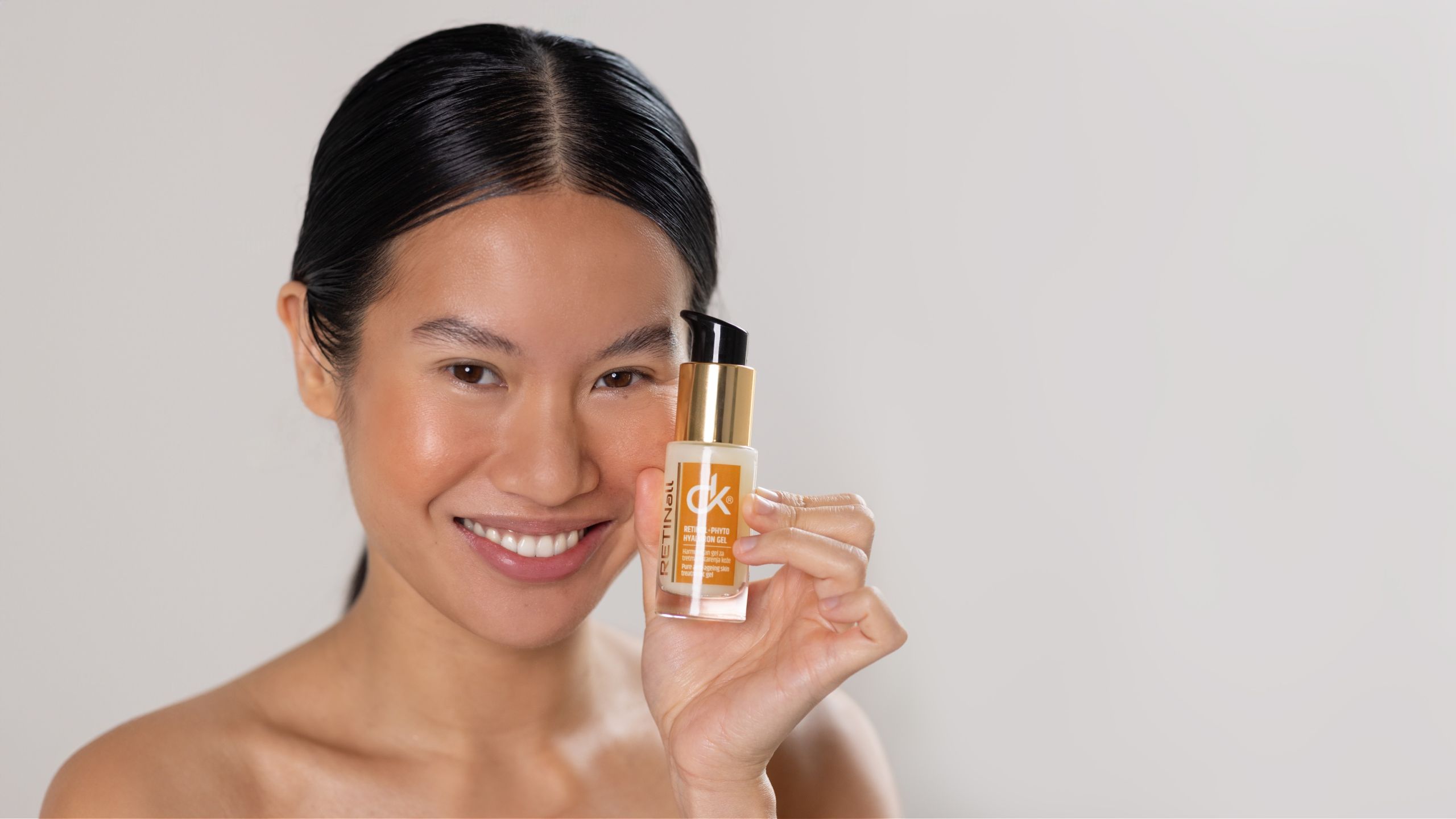
Dr. Kozarev Retinall gel has a special base that prevents the initial irritating effect of retinol and it can be used daily from the first day, unlike many other cosmetic products with retinol on the market, which must not be used in the summer or during the day for fear of damaging the skin.
![Striel [3000x3000] 1 2](http://drkozarevcosmedics.com/wp-content/uploads/2024/09/Striel-3000x3000-1-2-1024x1024.jpg)

- Reduces wrinkles and fine lines: As we age, the level of collagen in the skin decreases, leading to loss of elasticity and the appearance of wrinkles. Retinol helps stimulate the production of collagen, the protein responsible for the skin's firmness and elasticity, thus reducing fine lines and wrinkles.
- Evens out skin tone: Retinol helps fight dark spots and hyperpigmentation that can result from sun damage or the aging process. By accelerating cell renewal, retinol removes damaged or discolored cells from the skin's surface, allowing a brighter, more even skin tone to emerge.
- Reduces the number of blackheads: Retinol is known for its ability to reduce the number of blackheads and prevent their recurrence. It works by unclogging pores, reducing sebum production and accelerating cell renewal, which helps treat existing blackheads and prevent new ones from forming.
- Improves skin texture: In addition to evening out the tone, retinol also improves the texture of the skin, making it smoother and softer. Frequent application can help reduce enlarged pores and uneven skin surface.
How to use retinol?
Although retinol is extremely effective, it can cause skin irritation if not used properly. Beginners should introduce retinol gradually into their skin care routine, starting with lower concentrations and slowly increasing the frequency of use. Here are some steps to use it properly:
- Start gradually: At first, use retinol once or twice a week, then gradually increase the frequency so that your skin gets used to it. In this way, you will reduce the risk of irritation, redness and peeling.
- Use it at night: Retinol is best used at night because it can increase the skin's sensitivity to the sun. Also, sunlight can reduce its effectiveness, so it is recommended to apply it before going to bed.
- Be sure to apply SPF: Due to the increased sensitivity of the skin to the sun's rays, it is important to use a cream with a high protection factor (SPF) daily while using retinol.
- Hydration is key: Retinol can dry out the skin, so it's important to use moisturizers regularly to reduce dryness and irritation.
Side effects of retinol
Some of the most common side effects of retinol use include redness, irritation, dryness, and peeling of the skin. These side effects are usually temporary and disappear as the skin adjusts to the retinol. However, people with very sensitive skin or skin conditions such as eczema or rosacea should be careful when using retinol and consult a dermatologist before incorporating it into their routine.
Conclusion
Retinol is one of the most effective ingredients for improving the health and appearance of the skin. Its ability to stimulate collagen production, accelerate cell renewal and reduce the number of blackheads makes it an indispensable part of many skin care routines. Although it can cause irritation, proper use of retinol can significantly improve skin elasticity, reduce wrinkles and even tone. If you want to fight signs of aging, blackheads or hyperpigmentation, retinol can be your key ally. Just be patient, as retinol results become visible after a few weeks to months of consistent use.
Author box
Dr. Jasmina Kozarev is a dermatovenerologist with a doctorate in the field of laser vascular procedures and a pioneer of aesthetic laser treatments in Serbia. She graduated from the Faculty of Medicine in Novi Sad as one of the best students of her generation, and she defended her doctoral thesis on laser treatment of vascular lesions in 2011. She has been a lecturer at domestic and international aesthetic and laser conferences for many years, with a special focus on dermatological acne therapy, skin regeneration and non-surgical rejuvenation.